Healthiest Rice Options: Which Variety Is Best For Your Well-being?
Rice is a staple food in many cultures worldwide but not all rice varieties are created equal when it comes to health benefits. From aiding diabetic diets to enhancing skin health different types of rice offer various health advantages. This article explores the healthiest rice options focusing on their suitability for diabetics and the unique benefits they bring including the nutrients in black rice that benefit the skin.
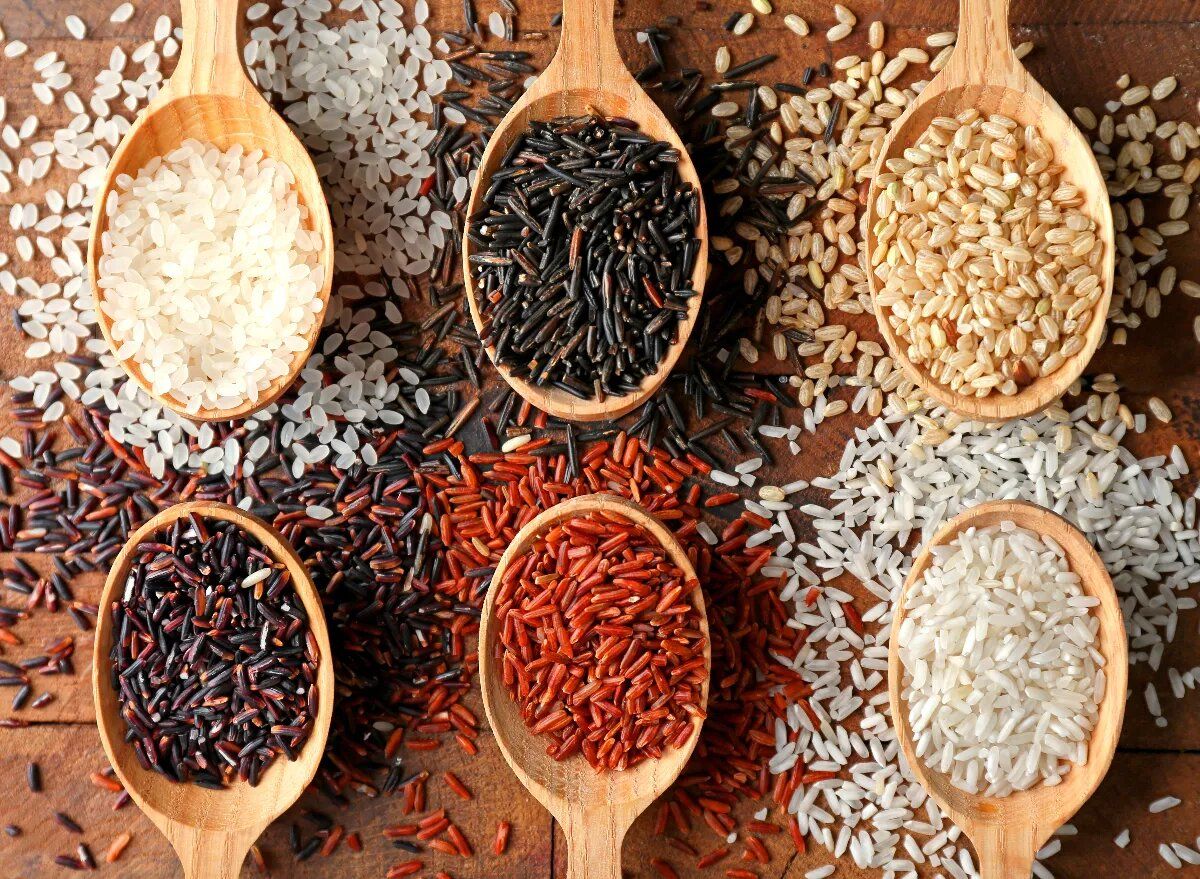
Top 5 Rice Types
1. Brown Rice – The Whole Grain Champion
- Brown rice is a whole grain meaning it contains all parts of the grain — the bran germ and endosperm. This makes it rich in fiber vitamins and minerals. It's a healthier alternative to white rice especially for those managing diabetes due to its lower glycemic index which helps in regulating blood sugar levels.
- Brown rice is the unrefined version of white rice retaining its bran and germ layers which are rich in nutrients. This gives it a higher fiber content which is beneficial for digestive health and can help in feeling full longer aiding in weight management. The fiber in brown rice also helps regulate blood sugar levels making it an excellent choice for diabetics. Additionally it's a good source of magnesium which is important for heart health and several B vitamins.
2. Basmati Rice – Low Glycemic Index for Diabetics
- Basmati rice particularly the whole-grain variety has a lower glycemic index compared to other types of white rice. This makes it a suitable choice for individuals with diabetes as it doesn’t cause rapid spikes in blood sugar levels.
- Basmati rice especially the whole-grain variety stands out due to its unique aroma and long slender grains. Its lower glycemic index means it impacts blood sugar levels less dramatically than other white rice varieties. For diabetics or those looking to manage blood sugar levels basmati rice can be a better option. It also contains essential nutrients like B vitamins which play a role in energy metabolism.
3. Wild Rice – Nutrient-Dense and Low in Calories
- Wild rice is not technically rice but a grass with rice-like grains. It's high in protein fiber and antioxidants and low in calories making it an excellent choice for overall well-being.
- Wild rice offers a distinctive nutty flavor and chewy texture. It's not only low in calories but also higher in protein content compared to most other rice varieties making it an excellent choice for people looking to add more plant-based protein to their diet. Furthermore it's rich in antioxidants fiber and essential minerals like phosphorus and magnesium which contribute to bone health and energy production.
4. Black Rice – The Antioxidant Powerhouse
- Black rice also known as forbidden rice is rich in antioxidants particularly anthocyanins which are known for their anti-inflammatory properties. These antioxidants are also beneficial for skin health helping to protect the skin from damage caused by free radicals.
- Black rice with its striking dark color is particularly high in anthocyanins the same type of antioxidants found in dark berries like blueberries and blackberries. These antioxidants are known for their anti-aging properties and can help protect the skin against damage from UV rays and pollution. Black rice is also a good source of fiber and iron making it beneficial for digestive and overall health.
5. Red Rice – Rich in Iron and Zinc
- Red rice is another whole grain variety that is high in iron and zinc essential minerals for energy production and immune health.
- Red rice gets its unique color from an antioxidant called proanthocyanidin. It's rich in iron which is crucial for creating healthy red blood cells and zinc an essential mineral for immune function and wound healing. Similar to brown rice it has a higher fiber content than white rice contributing to better digestive health and more stable blood sugar levels.
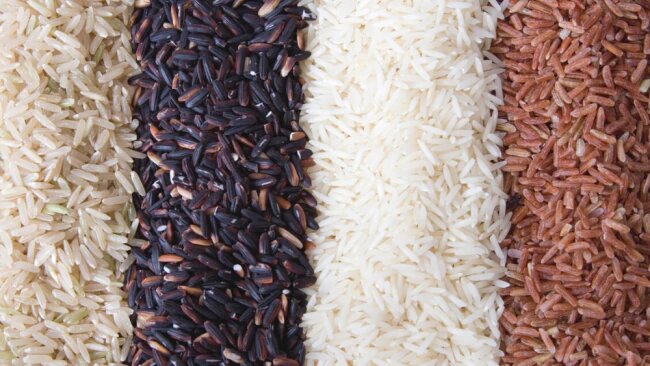
Benefits Of Rice
Rice a staple food in many cultures worldwide offers several health and nutritional benefits. Let’s explore some of the key benefits of including rice in your diet:
1. Rich Source of Energy
Rice is primarily composed of carbohydrates which are the body's main source of energy. The carbohydrates in rice are broken down into glucose which is used by the body for normal functioning and physical activity.
2. Low in Fat and Cholesterol
Most rice varieties are low in fat and cholesterol-free. This makes rice a heart-healthy food choice as it can help maintain healthy cholesterol levels and reduce the risk of heart disease.
3. Gluten-Free
Rice is naturally gluten-free making it an excellent food choice for people with gluten intolerance or celiac disease. It provides a safe carbohydrate option for those who need to avoid gluten.
4. Contains Essential Nutrients
While the nutrient content can vary among different types of rice many varieties provide essential nutrients. Brown rice for example is a good source of fiber vitamins such as B-vitamins and minerals like magnesium and phosphorus. Even white rice is often enriched with iron and B-vitamins.
5. Supports Digestive Health
The fiber in whole-grain rice such as brown rice helps to keep the digestive system healthy. It promotes regular bowel movements and helps to prevent constipation.
6. May Aid in Weight Management
Whole-grain rice varieties like brown rice have a high fiber content which can help you feel full longer. This may aid in weight management by reducing the likelihood of overeating.
7. Stabilizes Blood Sugar Levels
Brown rice and other whole-grain rice varieties have a lower glycemic index compared to white rice. This means they have a less significant impact on blood sugar levels making them a better choice for people with diabetes.
8. Versatile and Easy to Cook
Rice is incredibly versatile and can be used in a wide range of dishes from main courses to desserts. It's also easy to cook which makes it a convenient food choice for many households.
9. Culturally Significant
Rice holds cultural significance in many parts of the world and is a staple in various traditional cuisines. It plays a central role in many cultural rituals and celebrations.
10. Suitable for All Ages
Rice is soft and easy to eat making it suitable for all ages from infants starting on solid foods to elderly individuals who may have difficulty chewing or digesting harder foods.
Incorporating rice into your diet can offer these benefits contributing to overall health and well-being. However it's important to choose the right type of rice and be mindful of portion sizes especially if you're watching your carbohydrate intake or managing specific health conditions.
Conclusion
Choosing the right type of rice can significantly impact your health and well-being. Whether you're looking for diabetes-friendly options or grains that offer additional health benefits like skin nourishment there's a variety of rice suitable for your needs. Incorporating these healthier rice options into your diet can be a simple yet effective step towards better health.